AI Engineer & Builder of Things

I build
things.

I turn ambitious ideas into working software through AI engineering, agentic development workflows, and creative problem-solving.

A little side quest

01 / PONG

Enable JavaScript to play. The portfolio is ready to explore below.

AI engineering / Creative software / Real-time worlds

Scroll to explore

01 / Featured builds

Different disciplines. One builder.

From local AI integration to sound synthesis and real-time worlds. A selection of work in progress and professional contributions.

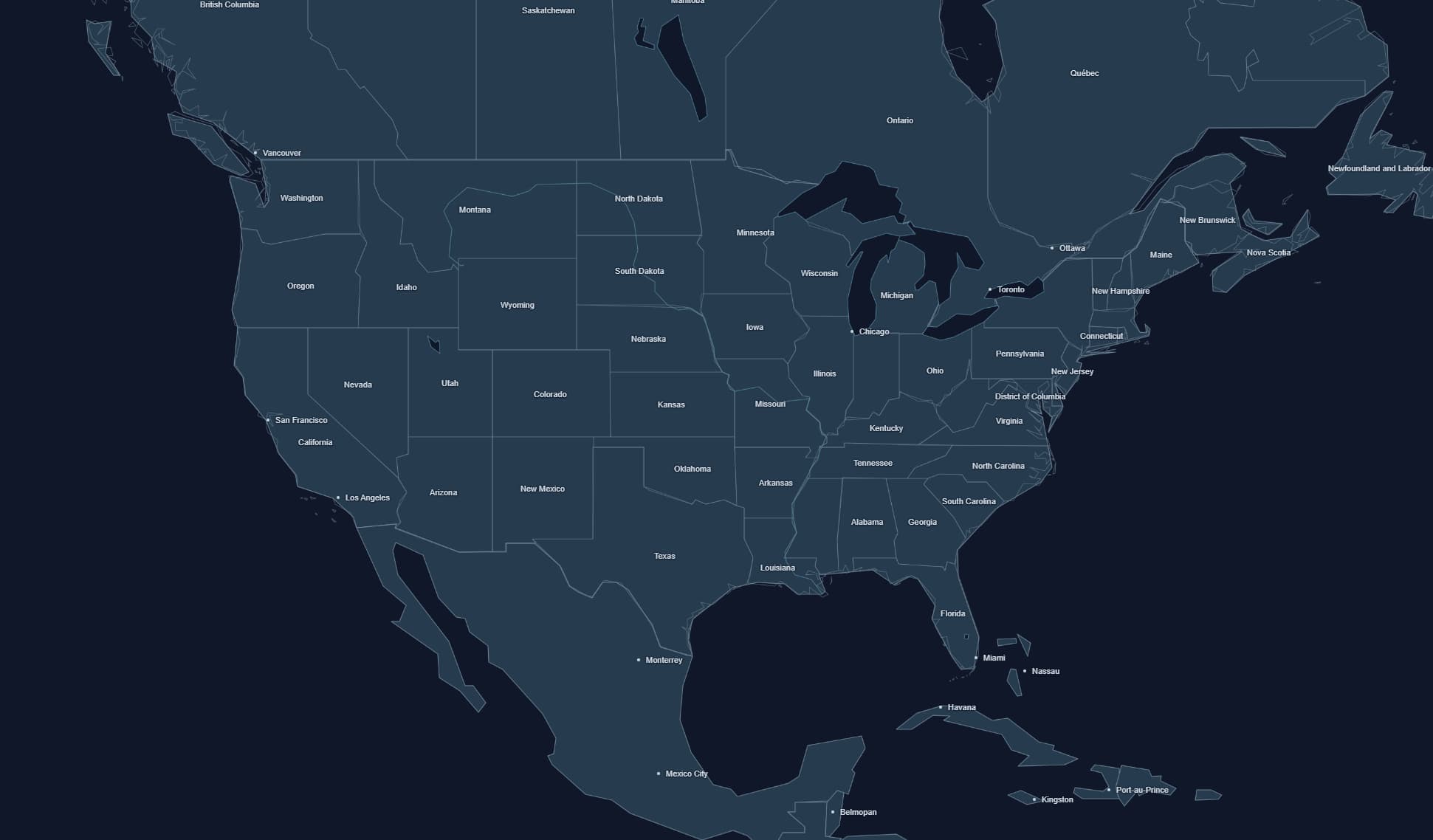
GeoVis application map showing the United States and surrounding regions
01 / Professional AI engineeringIn development

GeoVis

Bringing a cloud-hosted seismic visualization application to the desktop, with local AI inference as the target.

  • Ollama
  • Replit
  • Local AI
Project overview

AI Software Engineer · Kohola Data Solutions

I work within an existing architecture developed by others, adapting the application for local desktop execution.

The ongoing migration replaces cloud LLM dependencies, including Gemini, with Ollama-based inference and includes desktop packaging. These are development targets, not a completed delivery.
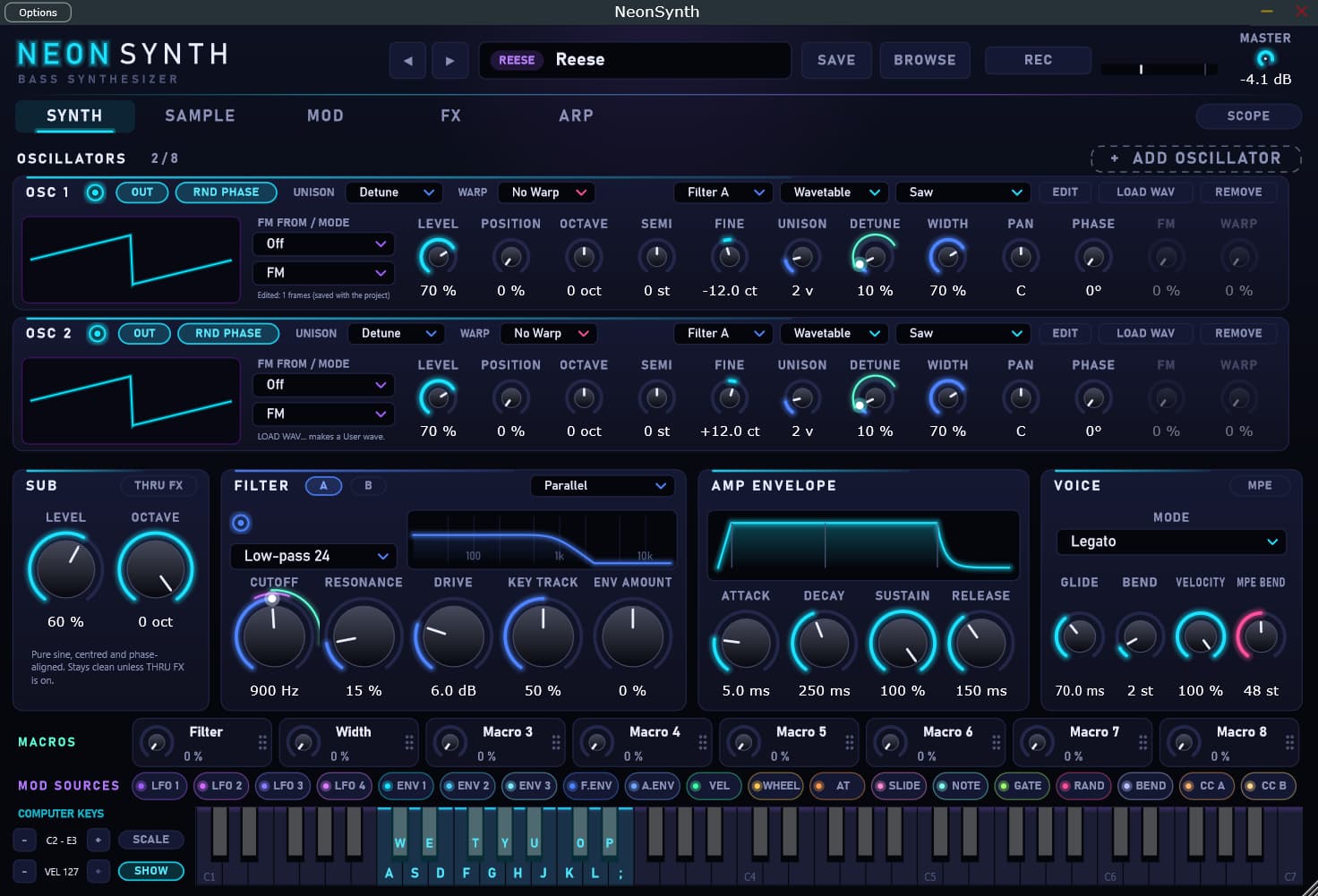
NeonSynth synthesizer interface with oscillators, filter, envelopes, modulation controls and keyboard
02 / Creative software engineering

NeonSynth

A custom VST3 synthesizer for electronic music production, exploring sound synthesis, modulation, and audio-plugin development.

  • VST3
  • Ableton Live
  • Sound synthesis
Project overview

Personal synthesizer project

NeonSynth is a custom VST3 synthesizer for electronic music production in Ableton Live.

The instrument brings together oscillators, filters, envelopes, modulation controls, and a keyboard in a dedicated synthesis interface.

TitanForge Studio metallic emblem and wordmark
03 / Agentic AI / game development toolsEarly prototype

TitanForge Studio

An experimental game development workspace exploring collaboration between specialized AI agents.

  • Agent collaboration
  • Game development
Project overview

Experimental workspace

The design vision explores how specialized AI agents could collaborate within a game development workspace.

This is an early prototype. Detailed capabilities and demonstrations will follow as the project matures.

Swordbound: Protocol official trailer poster
Official trailerWatch on YouTube
04 / Professional game developmentUnreleased

Swordbound: Protocol

Technical art and selected gameplay contributions to an unreleased mobile sword-fighting game.

  • Unreal Engine
  • Niagara
  • Sequencer
Project overview

Technical Artist and Gameplay Contributor

My work includes Niagara VFX, shaders, sound implementation, lighting and animation fixes, mobile graphics optimization, Sequencer cinematics, camera animation, and selected gameplay mechanics.

Swordbound: Protocol brings sword-fighting combat to mobile, combining real-time gameplay with a cinematic visual style.

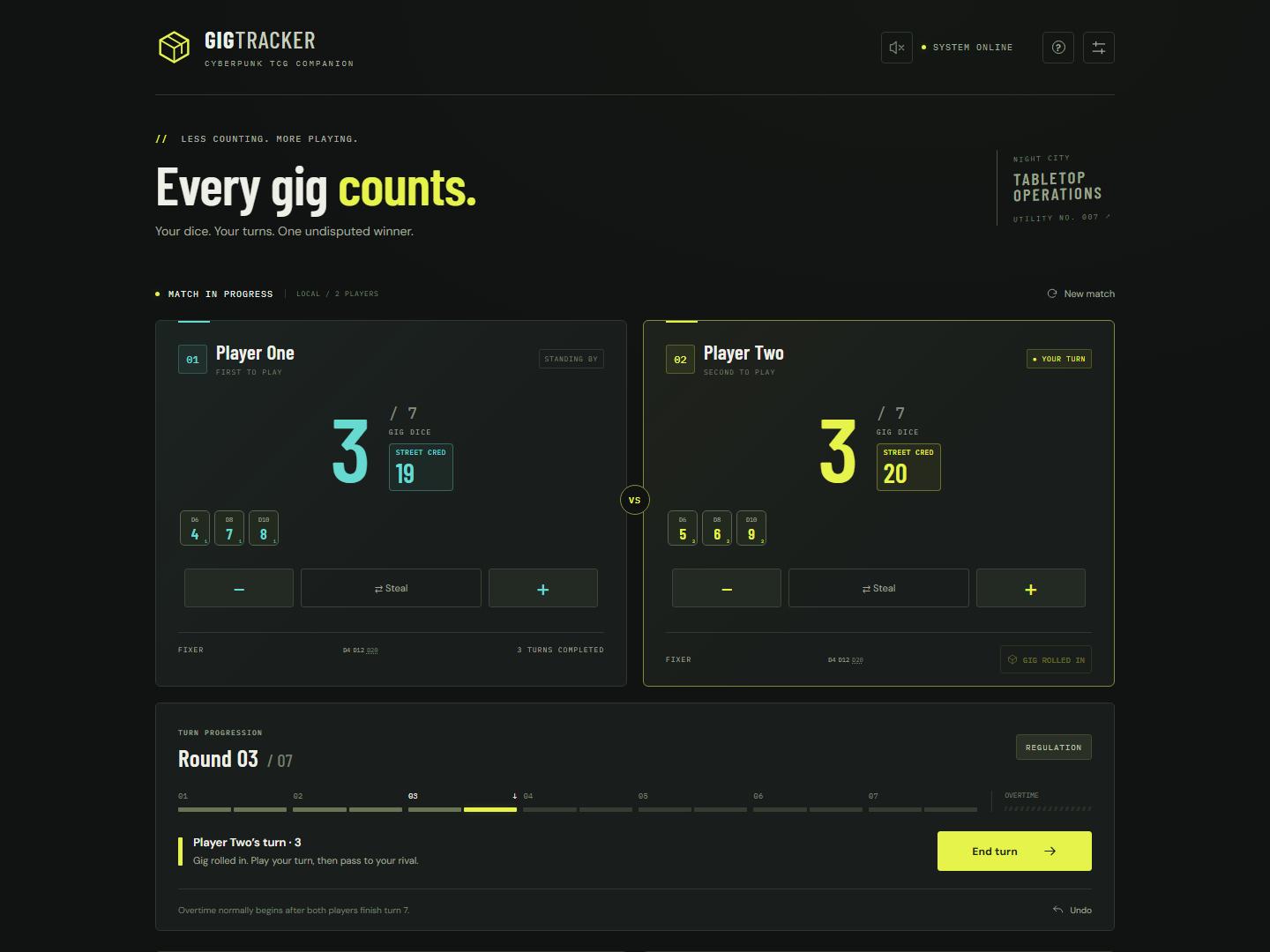
Gig Tracker desktop app showing both players’ Gig dice, Street Cred totals, and the round tracker
05 / Tabletop companion / web appLive

Gig Tracker

A mobile-first counter companion for the Cyberpunk 2077 trading card game, keeping Gig dice, Street Cred, and turns in sync with the table.

  • JavaScript
  • Progressive Web App
  • Vercel
Project overview

Personal web app project

Gig Tracker keeps the bookkeeping close at hand: track both players’ Gig dice and Street Cred, manage turn progression, and follow regulation and overtime in one interface.

Built with HTML, CSS, and vanilla JavaScript, the app saves matches on the device and works offline after the initial load. No account is needed to start playing.

02 / How I build

Human direction. AI acceleration.

Design first. Establish the architecture, work through clear milestones, then test and refine. AI is part of the process; engineering judgment drives it.

Explore a stage to see its purpose, inputs, and outputs. The full workflow is also available in one readable view below.

  1. 01Brainstorm with AI
  2. 02Refine the design
  3. 03Architect the system
  4. 04Plan milestones
  5. 05Build master context
  6. 06Implement with agents
  7. 07Test personally
  8. 08Give feedback. Repeat.

Follow a stage link to its full description, or open the complete workflow below.

Selected stage:

Stage 01 / 08

Brainstorm with AI

Explore an ambitious idea, ask questions, and find the problem worth solving.

Purpose
Explore the problem and possible directions before choosing what to build.
Inputs
  • An initial idea or problem
  • Questions, constraints, and AI-assisted exploration
Outputs
  • Candidate approaches
  • An initial direction to refine

07 / Test08 / Feedback06 / Return to implementation

Feedback is part of the architecture. Testing and feedback loop back into implementation, with design and requirements revisited when needed.

Read the full workflow All 8 stages
  1. Stage 01

    Brainstorm with AI

    Explore an ambitious idea, ask questions, and find the problem worth solving.

    Purpose
    Explore the problem and possible directions before choosing what to build.
    Inputs
    • An initial idea or problem
    • Questions, constraints, and AI-assisted exploration
    Outputs
    • Candidate approaches
    • An initial direction to refine
  2. Stage 02

    Refine the design

    Iterate on requirements and the experience before committing to implementation.

    Purpose
    Clarify what the software should do and how people should experience it.
    Inputs
    • Initial ideas and candidate approaches
    • Feedback from design iterations
    Outputs
    • Refined requirements and experience
    • Explicit constraints and acceptance expectations
  3. Stage 03

    Architect the system

    Connect the parts into a coherent plan, with clear boundaries and tradeoffs.

    Purpose
    Plan how the complete system fits together before implementing its parts.
    Inputs
    • Refined requirements
    • Technical constraints and design decisions
    Outputs
    • System architecture
    • Component boundaries and technical tradeoffs
  4. Stage 04

    Plan milestones

    Break the work into sequential, reviewable steps with acceptance criteria.

    Purpose
    Make the work sequential and reviewable, with a clear standard for each step.
    Inputs
    • The system architecture
    • Dependencies and implementation priorities
    Outputs
    • A sequential milestone plan
    • Review and testing criteria
  5. Stage 05

    Build master context

    Give coding agents the requirements, architecture, constraints, and full project context.

    Purpose
    Give AI coding agents a comprehensive source of truth and explicit task boundaries.
    Inputs
    • Approved requirements and architecture
    • Milestones, constraints, and project context
    Outputs
    • Comprehensive master context
    • Implementation instructions and boundaries
  6. Stage 06

    Implement with agents

    Direct AI coding agents through focused engineering tasks and review the results.

    Purpose
    Turn the plan into working software through focused tasks under human direction.
    Inputs
    • Master context and the current milestone
    • Existing code and project constraints
    Outputs
    • A reviewable implementation
    • Changes ready for verification
  7. Stage 07

    Test personally

    Run the software, exercise the experience, and run automated checks.

    Purpose
    Use hands-on testing and automated checks to find issues and evaluate acceptance criteria.
    Inputs
    • The running implementation
    • Acceptance criteria and test cases
    Outputs
    • Manual observations and automated test results
    • Recorded defects and remaining uncertainties
  8. Stage 08

    Give feedback. Repeat.

    Use what testing reveals to guide another implementation pass and refine the design.

    Purpose
    Turn findings into focused changes, repeating until the result meets the intended standard.
    Inputs
    • Testing findings
    • Personal review and feedback
    Outputs
    • Actionable feedback
    • Another implementation pass, or revised design when needed

03 / Experience

Engineering across boundaries.

GeoVis · ongoing migration

Kohola Data Solutions

AI Software Engineer

Adapting an existing seismic visualization application for desktop execution and local AI inference.

  • Cloud-to-local AI migration
  • Ollama integration
  • Desktop adaptation and packaging

Swordbound: Protocol · unreleased mobile game

FatalFox Studios

Technical Artist and Gameplay Contributor

Contributing to the visual experience, performance, cinematics, and selected gameplay mechanics in Unreal Engine.

  • Niagara VFX, shaders, and SFX implementation
  • Mobile graphics, lighting, and animation fixes
  • Sequencer cinematics and gameplay contributions

04 / Technology stack

A toolkit for making things real.

AI runtimes, development tools, and creative software—each with a different role in the work.

/ 01

AI runtime & integration

Local inference and cloud AI integration.

  • Ollama
  • Gemini
/ 02

AI development tools

Tools I use to explore, plan, and build.

  • Replit
  • Claude Code
  • OpenAI Codex
  • Google Antigravity
/ 03

Creative & real-time

Game development, technical art, and audio.

  • Unreal Engine
  • Niagara
  • Sequencer
  • VST3 development
  • Ableton Live

05 / About

Curiosity, with a build plan.

I’m Brady. I work at the intersection of AI engineering, creative software, and real-time game development.

I turn ambitious ideas into software through design-first thinking, agentic development workflows, and hands-on testing. I’m interested in how systems fit together—and in the details that make them useful.

Whether the work involves local AI inference, a synthesizer, or a game’s visual experience, the approach stays consistent: understand the problem, design deliberately, build, and refine.

06 / Start a conversation

Let’s build
something.

Email me, find me on GitHub, or connect on LinkedIn.